Faster benchmark runs
Cut benchmark execution from 180 s to 12 s while keeping the results reliable, brought 3 critical cloud benchmarks up in the emulation environment, and enabled critical workloads on the new platforms.

Software Engineer at Google · Warsaw
I’ve spent nine years building software people use: an iPhone app with 20M+ downloads, security features for a Mac product with 30M+ users, and now full-stack products in TypeScript. Today I’m a software engineer at Google in Warsaw.
I co-founded NextXI and built it in React Native, Supabase and Python. At Google I do iOS and performance work.
Basil is my voice guide. Ask about my work, a project or what I’m learning right now. Basil knows everything on this page and scrolls to whatever you talk about.
Voice by ElevenLabs (opens in a new tab)Where I’ve worked, from my first internship in Kyiv to Google in Warsaw.
Cut benchmark execution from 180 s to 12 s while keeping the results reliable, brought 3 critical cloud benchmarks up in the emulation environment, and enabled critical workloads on the new platforms.
Built an automated benchmarking tool with charts that turns results across firmware and kernel variants into tuning recommendations for hardware and software teams.
Added Microsoft OpenID Connect sign-in to the Gemini Enterprise iOS app: token acquisition and exchange for a Google credential, behind a single tap. Shipped to internal users.
Designed, documented and shipped four features for a cybersecurity product with 30M+ users: Mail Attachments Scanning, Detection History, Schedules and Quarantine. They later powered Moonlock, MacPaw’s standalone security app.
Owned distribution: GitHub Actions and Fastlane with stable and unstable channels, plus a custom cross-version test harness for the system extension.

Led the mobile integration of AI pronunciation feedback: PocketSphinx on the device turned speech into phonemes for backend ML scoring, across hundreds of thousands of daily voice interactions in an app with 20M+ downloads.
Built a web-based paywall framework: HTML, CSS and JavaScript screens served remotely and wired to native purchases through a JavaScript bridge, so new variants went live and were A/B tested without an app release. Three iOS teams adopted it.
Halved app startup by moving to the Needle DI system, made builds nearly 6× faster with Jenkins and Fastlane, and raised test coverage on critical paths from 15% to about 55%.
Designed a content CRM for the Content team on Airtable, Node.js and Firebase functions, cutting lesson delivery time by more than half, with validation that stops broken lessons from shipping.
Built the iOS team from scratch and mentored two engineers to mid-level. Led the move from Firebase to an in-house backend with the ML, Android, frontend and backend teams, and built a Node.js lesson-export API for the apps.
Led development of an assistant app for a Bluetooth device from scratch in Swift, MVVM and RxSwift, and wrote the documentation that cut ramp-up time for new engineers by 30%.
Migrated the main chat screen from Objective-C to Swift, holding 60 fps and cutting the time to add new message types by at least half.
Spearheaded the move from Objective-C to Swift by independently designing and implementing a new feature.
Built a new application with a middle engineer using MVC and Core Data. Masonry layouts sped up UI development by about half, and Quickblox added real-time chat.
A three-month iOS internship in Objective-C, covering Core Data, concurrency and UIKit, ending in a final project that pulled data from an API into several screens.
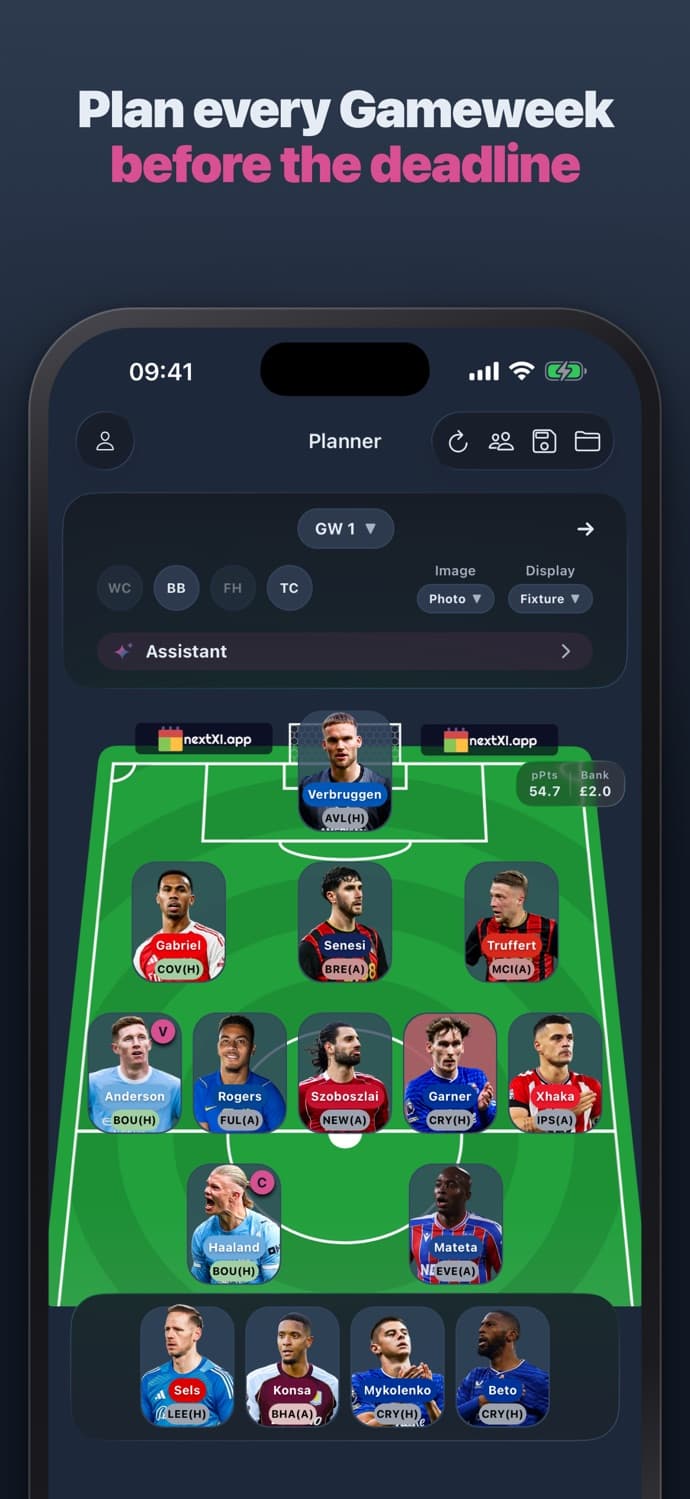
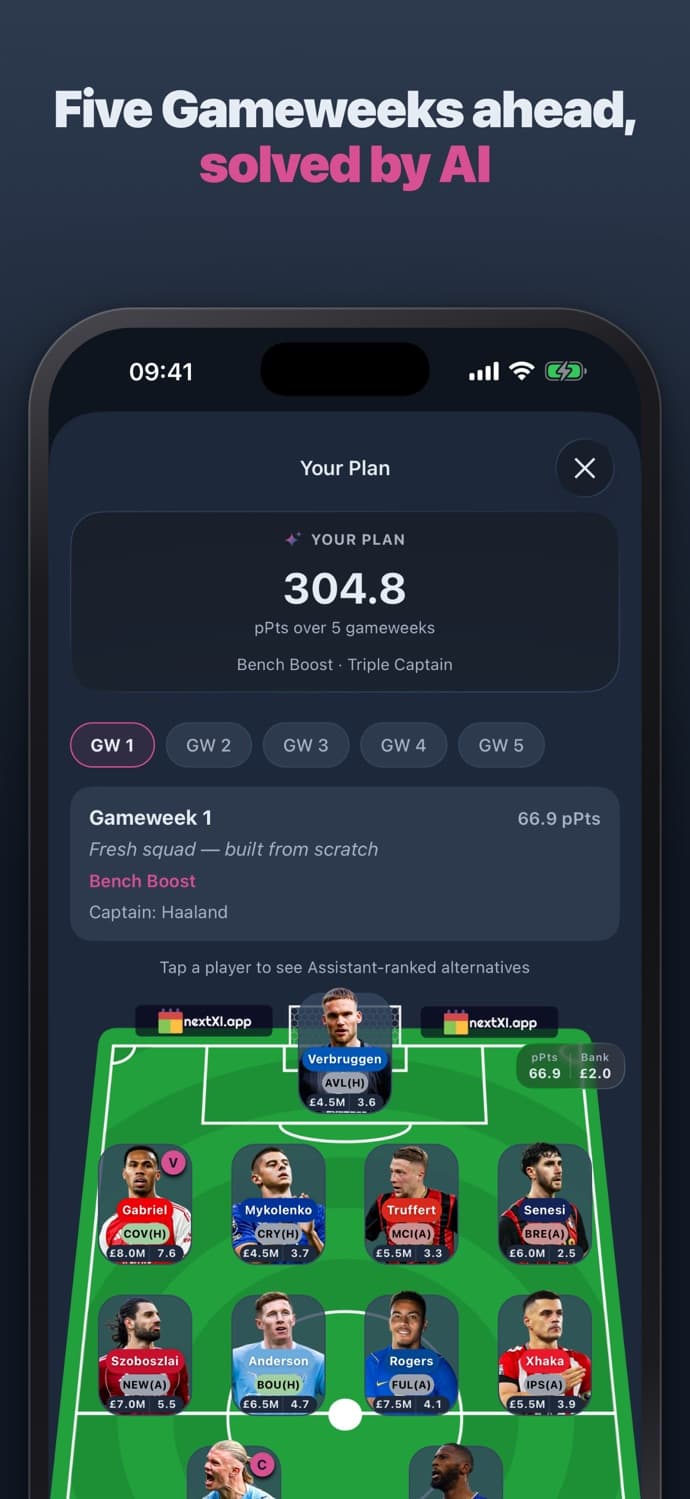
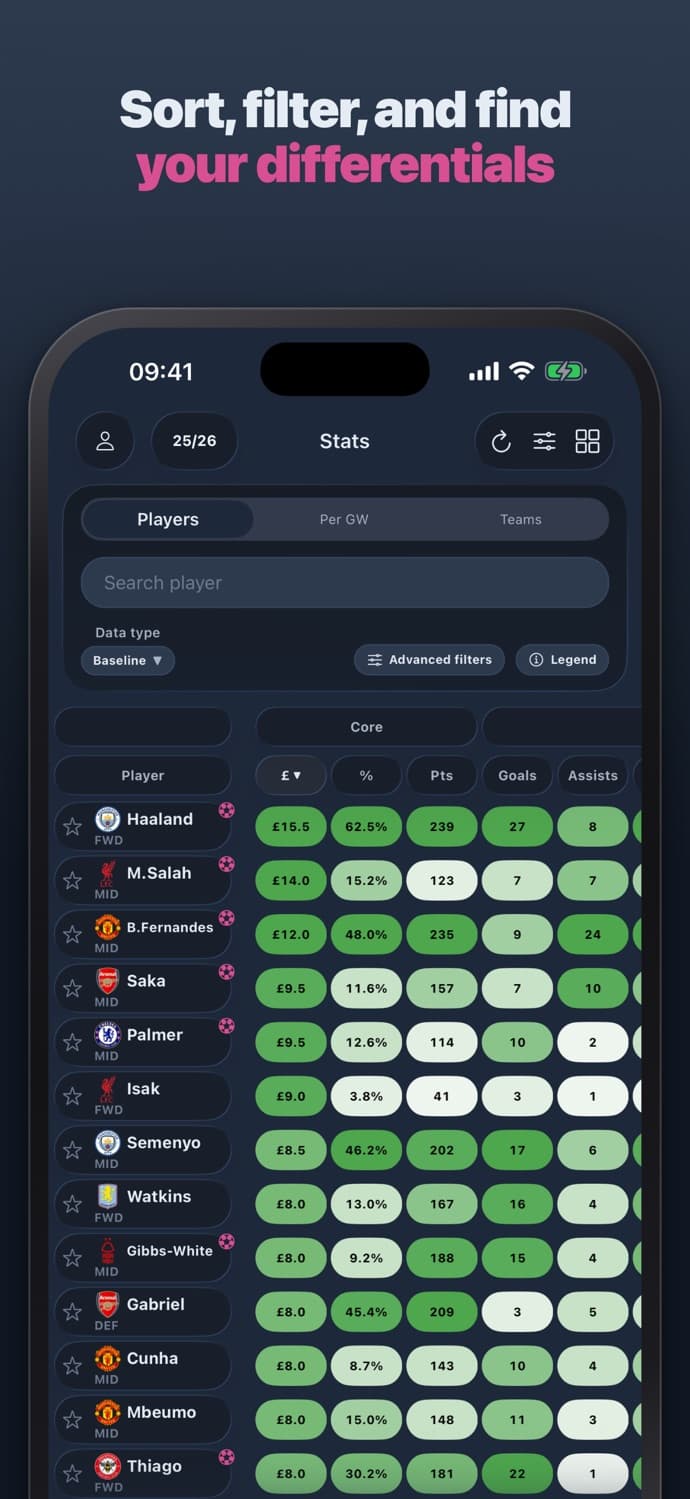
A Fantasy Premier League planner for iOS and Android. I built the mobile app in React Native and TypeScript, its backend on Supabase, a Python optimization service that plans transfers, and our metrics dashboard. My co-founder built the web app.
A degree in computer science, and still learning.
Igor Sikorsky Kyiv Polytechnic Institute, Kyiv.
Completed Harvard’s CS50 while at university.
Google’s course on how models learn, from regression to neural networks and embeddings. I’m working through it to understand how today’s AI works under the hood.
Course (opens in a new tab)